
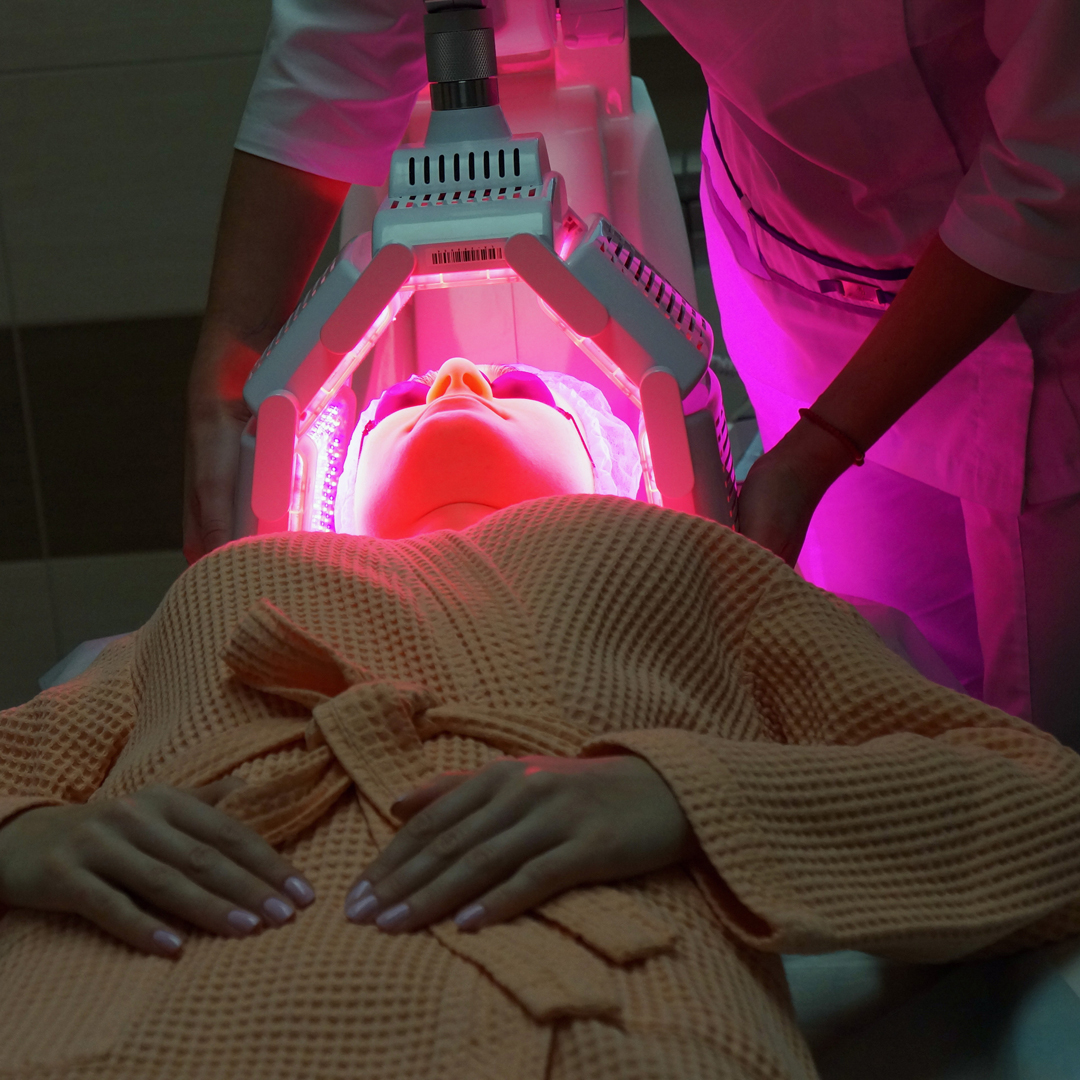
When it comes to treating skin conditions and protecting long term skin health, patients today have more options than ever. From time tested methods to advanced medical innovations, choosing the right treatment can feel overwhelming. One option that continues to gain attention is photodynamic therapy, a treatment known for its effectiveness and minimally invasive approach.
At K2 Dermatology, we believe informed patients make confident decisions. Understanding how photodynamic therapy compares to traditional treatments can help you determine which option best fits your skin concerns, lifestyle, and long term goals. Below, we break down how these approaches differ and what to consider when deciding what is right for you.
What Is Photodynamic Therapy?
Photodynamic therapy is a medical skin treatment that combines a light sensitive medication with a specific light source. The medication is applied to the skin and absorbed by targeted cells. When activated by light, it destroys abnormal or damaged cells while minimizing impact on surrounding healthy tissue.
This treatment is commonly used to address precancerous lesions such as actinic keratoses, as well as certain skin cancers and chronic sun damage. It can also improve overall skin texture and tone, making it both a therapeutic and cosmetic option for many patients.
Because photodynamic therapy targets problem areas at a cellular level, it offers a precise and effective approach. Many patients appreciate that it treats visible damage while also addressing changes beneath the surface of the skin.
An Overview of Traditional Skin Treatments
Traditional treatments for sun damage, precancerous lesions, and other skin concerns have been used successfully for many years. These methods may include topical medications, cryotherapy, surgical excision, or chemical treatments depending on the condition being addressed.
Topical treatments often require daily application over several weeks or months. Cryotherapy involves freezing damaged skin cells, while surgical options physically remove lesions. Each of these methods can be effective, but they may come with limitations such as longer treatment timelines, localized discomfort, or visible scarring.
For some patients, traditional treatments remain the best choice, especially when addressing isolated lesions or specific medical needs. Understanding how these options compare to newer treatments helps ensure the most appropriate plan is selected.

Key Differences Between Photodynamic Therapy and Traditional Treatments
One of the most important differences between photodynamic therapy and traditional treatments is how the skin is treated. Photodynamic therapy targets both visible and microscopic damage across a treatment area, making it especially useful for patients with widespread sun damage.
Traditional treatments often focus on individual lesions. While this can be effective, it may not address underlying damage in surrounding skin. Over time, untreated areas may develop new lesions that require additional treatment.
Another difference is recovery time. Photodynamic therapy typically involves a short period of redness, peeling, or sensitivity, followed by gradual improvement. Some traditional treatments may cause more localized healing or scarring, depending on the method used.
Effectiveness and Long Term Benefits
Photodynamic therapy is valued not only for treating existing damage but also for helping prevent future skin issues. By addressing precancerous cells early, it reduces the risk of progression to skin cancer.
Traditional treatments are effective for removing or resolving current lesions, but they may not provide the same preventive benefits across larger areas of skin. Patients with extensive sun exposure history often benefit from a treatment approach that focuses on prevention as well as correction.
Your dermatologist will consider factors such as the extent of skin damage, personal risk factors, and treatment history when recommending an option that provides both immediate and long term benefits.
Comfort, Convenience, and Downtime
Patient comfort and lifestyle considerations play a major role in choosing a treatment. Photodynamic therapy is performed in office and typically completed in a single visit, although some patients may require multiple sessions depending on their condition.
After treatment, patients must avoid direct sunlight for a short period, as the skin remains sensitive to light. This is an important consideration for those with outdoor work or active schedules.
Traditional treatments vary widely in terms of convenience. Some require repeated applications or follow up visits, while others involve brief procedures with minimal downtime. Discussing your daily routine and expectations with your provider helps determine which option fits best.
Cosmetic Results and Skin Appearance
In addition to medical benefits, many patients are interested in how treatments affect skin appearance. Photodynamic therapy often leads to smoother texture, more even tone, and a refreshed look once healing is complete.
Traditional treatments focus primarily on medical outcomes. While effective, they may leave visible marks or scars depending on the method used and the area treated.
For patients who value both health and aesthetics, photodynamic therapy offers a unique advantage by combining treatment and rejuvenation in one approach.
Who Is a Good Candidate for Photodynamic Therapy?
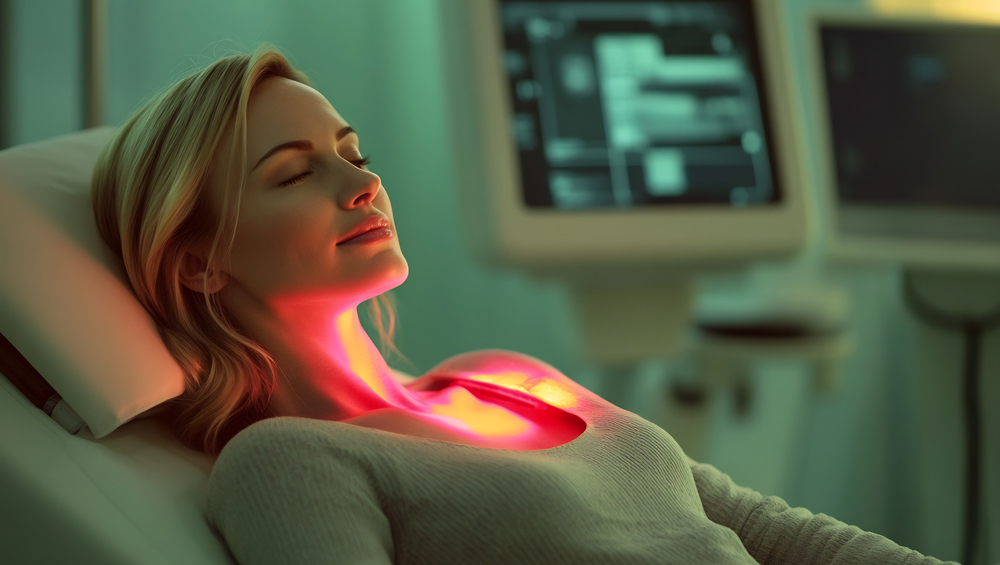
Photodynamic therapy is commonly recommended for patients with actinic keratoses, significant sun damage, or early stage skin cancers. It is especially helpful for individuals with multiple lesions or those at higher risk due to cumulative sun exposure.
However, not everyone is an ideal candidate. Certain medical conditions, medications, or skin sensitivities may influence treatment suitability. A thorough consultation with a dermatology professional is essential to determine candidacy.
At K2 Dermatology, we evaluate each patient individually to ensure treatment recommendations align with medical needs and personal goals.
Choosing the Right Treatment for Your Skin
Deciding between photodynamic therapy and traditional treatments is not about choosing one universally better option. It is about selecting the right approach for your unique skin concerns.
Factors such as the number of lesions, severity of sun damage, cosmetic preferences, recovery time, and long term prevention all play a role. A personalized evaluation allows your dermatologist to explain why one option may be more appropriate than another.
If you are considering photodynamic therapy, learning more about the process and outcomes can help you feel confident in your decision. You can explore treatment details and schedule a consultation by visiting our photodynamic therapy page and using photodynamic therapy as your starting point for discussion.
Making the Right Choice for Healthier Skin
Both photodynamic therapy and traditional treatments offer proven solutions for managing skin damage and protecting skin health. The right choice depends on your individual needs, goals, and lifestyle. With expert guidance and a personalized plan, you can move forward knowing your skin is receiving the care it deserves.
Frequently Asked Questions About Photodynamic Therapy
How long does it take to see results from photodynamic therapy?
Initial healing typically occurs within several days, with continued improvement over the following weeks. Many patients notice smoother texture and clearer skin as healing progresses.
Is photodynamic therapy painful?
Most patients experience mild to moderate discomfort during light activation, followed by temporary redness or sensitivity. These effects are usually short lived and manageable.
At K2 Dermatology, we provide comprehensive dermatologic care focused on prevention, treatment, and long term skin health. Our team offers advanced options like photodynamic therapy alongside traditional treatments to ensure personalized care for every patient. We are committed to education, transparency, and helping patients make confident decisions about their skin. Contact us today to learn more and schedule a consultation.