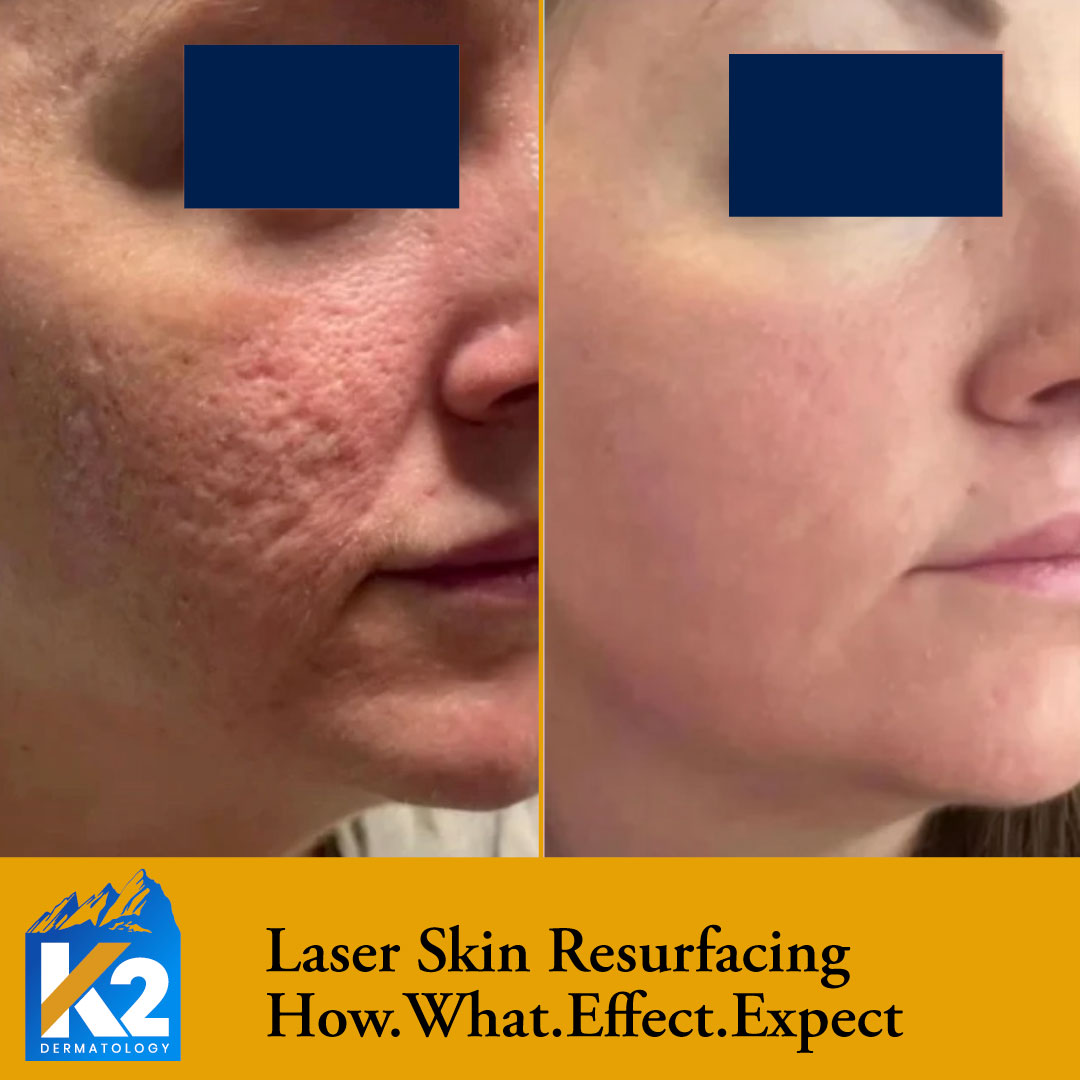
At K2 Dermatology, we hear the same question from patients almost every week: is there a way to actually repair skin damage instead of just covering it up? The answer is yes, and laser skin resurfacing is one of the most effective tools we have for doing exactly that. Rather than masking fine lines, sun spots, or acne scars with topical products, this treatment works underneath the surface to rebuild the skin from the inside out.
We want our patients to understand not just what laser resurfacing does, but how it does it. When people understand the science behind a treatment, they tend to feel more confident about the process and have more realistic expectations about their results. So let’s walk through what actually happens when a laser meets your skin, and why that process leads to firmer, smoother, healthier looking skin over time.
What Laser Skin Resurfacing Actually Does
Laser skin resurfacing uses focused beams of light energy to target the outer layers of skin. Depending on the type of laser we use, that energy either removes damaged skin cells directly or heats the deeper layers of tissue without disturbing the surface. Either way, the goal is the same. We are trying to trigger the skin’s natural repair response.
Our skin is constantly cycling through damage and repair on a small scale, but years of sun exposure, breakouts, and normal aging can overwhelm that natural process. Collagen and elastin, the proteins responsible for keeping skin firm and elastic, break down faster than the body can replace them. This is what leads to wrinkles, sagging, uneven texture, and scarring. Laser resurfacing essentially resets that balance by creating controlled, precise damage that forces the body to respond with a fresh wave of repair.
The Two Main Types of Lasers We Use
There are two broad categories of resurfacing lasers, and we choose between them based on each patient’s skin concerns, tone, and goals.
Ablative lasers remove the outermost layer of skin, known as the epidermis, along with some of the underlying dermis. This type of laser is more intensive and typically used for deeper wrinkles, significant sun damage, or noticeable scarring. Because the treatment removes tissue, the results tend to be more dramatic, though the recovery time is longer.
Non-ablative lasers work differently. Instead of removing skin, they heat the tissue underneath the surface while leaving the top layer intact. This approach is gentler and comes with less downtime, making it a good option for patients dealing with mild to moderate signs of aging, uneven pigmentation, or early collagen loss who want a more gradual improvement with less recovery involved.
We also frequently use fractional laser technology, which treats the skin in a grid pattern of tiny columns rather than treating the entire surface at once. This leaves areas of untouched skin between the treated columns, which speeds up healing while still producing significant collagen stimulation.
How Collagen Rebuilding Actually Happens
This is the part of the process that makes laser resurfacing so effective for long term skin health, not just a quick cosmetic fix.
When the laser energy reaches the dermis, it creates what is known as a controlled thermal injury. The body immediately recognizes this as damage and begins its wound healing response. Fibroblasts, the cells responsible for producing collagen and elastin, become highly active in the treated area. Over the following weeks and months, these fibroblasts generate new collagen fibers to replace the damaged tissue.
This is why laser resurfacing results are not immediate. The visible improvement in skin texture and firmness develops gradually as new collagen forms and the skin remodels itself. Most patients see continued improvement for three to six months after treatment, and in some cases, collagen remodeling continues for up to a year.
This new collagen does more than smooth out fine lines. It also improves skin thickness and elasticity, which helps reduce the appearance of scars, tightens loose or sagging skin, and evens out skin tone by replacing damaged pigment producing cells with healthier ones.
What Laser Resurfacing Can Repair
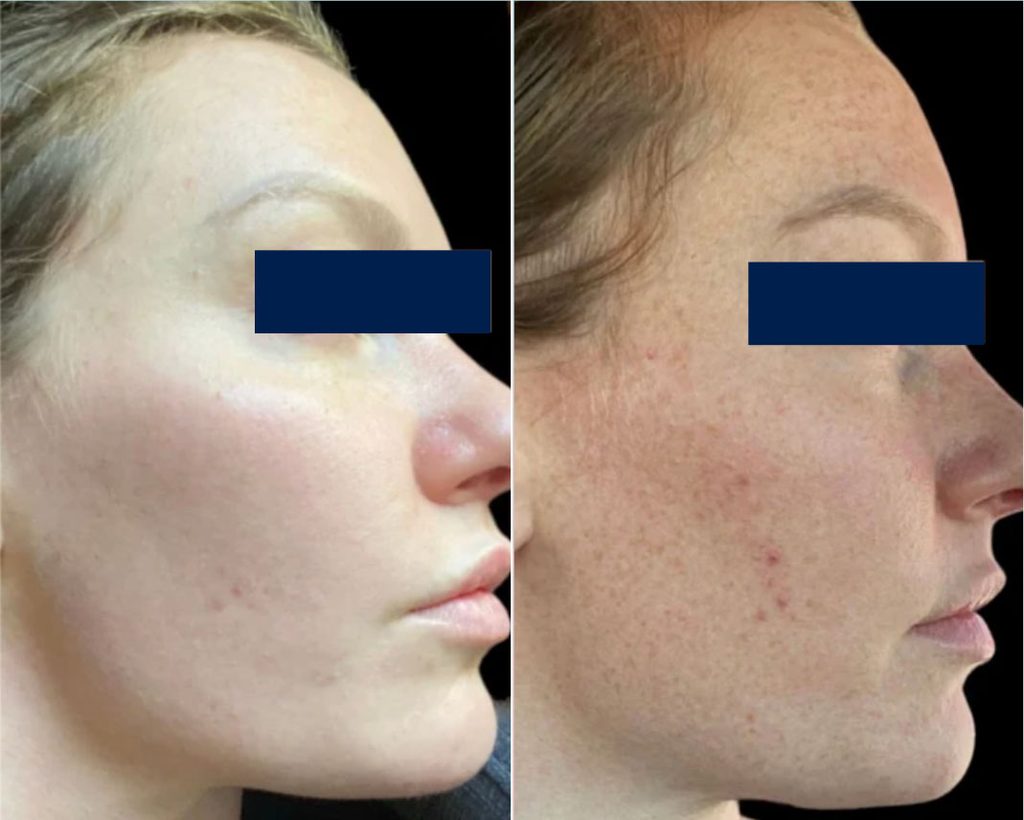
We recommend laser skin resurfacing for a wide range of concerns because the underlying mechanism, stimulating collagen and cell turnover, addresses so many different types of skin damage.
Patients come to us for laser resurfacing to address sun damage and age spots, fine lines and wrinkles, acne scars and other textural scarring, uneven skin tone, enlarged pores, and mild skin laxity. Because the treatment works by encouraging the skin to heal and rebuild itself, it tends to produce results that look natural rather than artificial.
What to Expect During Treatment and Recovery
Before treatment, we cleanse the skin and apply a topical numbing agent to keep patients comfortable throughout the session. The laser device is then passed over the treatment area, and most patients describe the sensation as warm or a mild snapping feeling, similar to a rubber band against the skin.
Recovery time depends heavily on which type of laser was used. Non-ablative and fractional treatments typically involve redness and mild swelling for a few days, with most patients able to return to normal activities relatively quickly. Ablative treatments involve a more significant recovery period, often one to two weeks, during which the skin will look similar to a sunburn before it peels and reveals fresher skin underneath.
Throughout recovery, we guide our patients on proper aftercare, including gentle cleansing, moisturizing, and diligent sun protection. Since new skin and freshly stimulated collagen are more sensitive to UV exposure, sunscreen becomes especially important in the weeks following treatment.
Why We Recommend a Personalized Approach
Not every patient needs the same type of laser or the same treatment intensity. Skin tone, the depth of damage being treated, and a patient’s tolerance for downtime all play a role in determining the right approach. At K2 Dermatology, we evaluate each patient individually before recommending a treatment plan, and we often combine laser resurfacing with other skin health strategies to support long term results.
Laser skin resurfacing represents one of the most well studied and effective ways to genuinely repair skin rather than simply treat its surface appearance. By working with the body’s own healing process, it offers results that continue to improve over time and address the root causes of aging and sun damage.
Frequently Asked Questions About Laser Skin Resurfacing
How many laser resurfacing sessions will I need?
This depends on the type of laser used and the severity of the skin concern being treated. Ablative treatments often produce significant results in a single session, while non-ablative and fractional treatments typically require a series of sessions spaced several weeks apart to achieve the desired outcome.
Is laser skin resurfacing painful?
Most patients tolerate the treatment well, especially with topical numbing applied beforehand. Non-ablative treatments tend to feel like brief warm pinches, while ablative treatments involve more intense sensations, which is why deeper numbing or sedation may be used depending on the treatment area.
How long do laser resurfacing results last?
Results can last for years, though ongoing collagen loss from natural aging and sun exposure will eventually occur again. Maintaining a good skincare routine and using sun protection can help extend the results of treatment.
Can laser skin resurfacing be done on all skin tones?
Certain lasers carry a higher risk of pigment changes in darker skin tones. That said, many modern laser devices are safe and effective across a wide range of skin tones when the settings and technique are properly customized. We evaluate each patient’s skin type carefully before recommending a specific laser.
When will I start seeing results after treatment?
Some improvement in skin texture and tone may be visible within a few weeks as the skin heals. However, the most significant results, particularly improvements related to collagen rebuilding, typically develop over three to six months as new collagen continues to form.
K2 Dermatology is dedicated to helping patients achieve healthier, more resilient skin through advanced, personalized dermatological care. If you are interested in learning whether laser skin resurfacing is right for you, contact us today to schedule a consultation.