
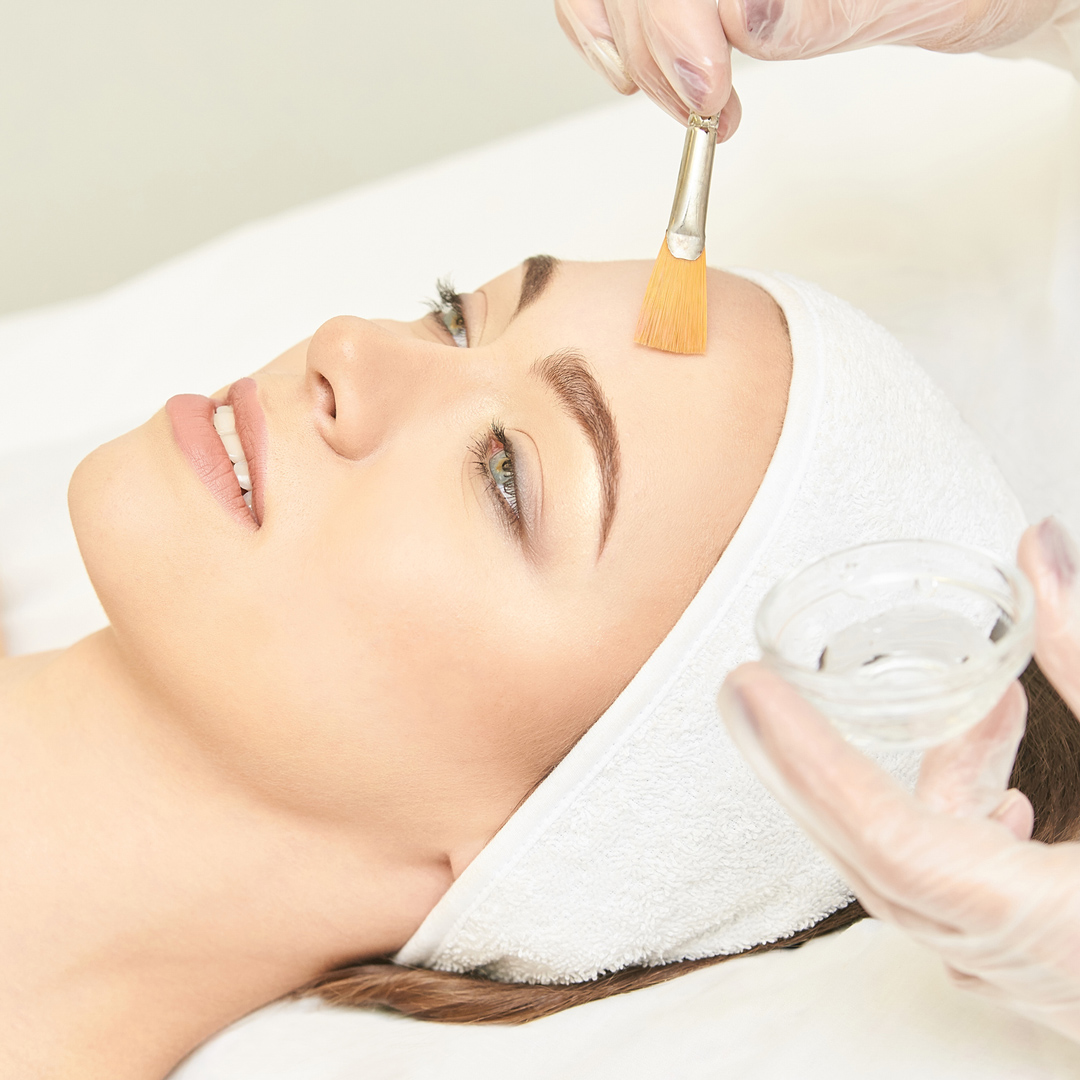
Chemical peels are one of the most effective and versatile dermatology treatments available for improving the appearance and health of your skin. Whether you are concerned about acne, sun damage, uneven skin tone, fine lines, or certain precancerous skin changes, a chemical peel can help reveal healthier-looking skin while supporting long-term skin renewal.
At K2 Dermatology, our chemical peels are performed under the supervision of experienced dermatology professionals who carefully evaluate each patient’s skin and treatment goals before recommending the most appropriate approach. Understanding how chemical peels work, what they treat, and what to expect during recovery can help you decide whether this treatment is right for you.
What Is a Chemical Peel?
A chemical peel is a skin treatment that uses a specialized chemical solution to remove damaged outer layers of skin. This controlled exfoliation process encourages the growth of healthier skin cells while improving the overall texture and appearance of the treated area. Chemical peels can be used on a variety of skin concerns and are often customized to match the patient’s unique needs.
The treatment works by accelerating the natural shedding of damaged skin cells. As the old layers peel away, fresher and smoother skin emerges underneath. In addition to improving cosmetic concerns, certain chemical peels may also play a role in managing medical skin conditions such as persistent acne, chronic sun damage, and precancerous lesions.
Because every person’s skin is different, the strength and depth of the peel are selected based on factors such as skin type, treatment goals, and the condition being addressed.
What Skin Concerns Can Chemical Peels Treat?
One reason chemical peels remain so popular is their ability to address multiple concerns with a single treatment. Patients often seek chemical peels to improve:
- Acne and acne-related skin issues
- Hyperpigmentation and uneven skin tone
- Melasma
- Fine lines and early signs of aging
- Sun-damaged skin
- Rough or uneven skin texture
- Superficial scarring
- Certain precancerous skin lesions
By removing damaged skin cells and stimulating skin renewal, chemical peels can create a brighter, smoother complexion while improving overall skin health. For patients dealing with years of sun exposure, peels may help remove damaged cells and encourage healthier skin growth.
Chemical peels may also complement other dermatologic services available at K2 Dermatology. Depending on your goals, your dermatologist may discuss additional treatments such as laser/IPL treatments, photodynamic therapy, fillers, or Botox. Any recommendation should be based on your individual skin concerns and treatment plan.
Understanding the Different Types of Chemical Peels
Not all chemical peels are the same. Dermatologists generally categorize chemical peels into three primary levels based on how deeply they penetrate the skin.
Superficial Peels
Superficial peels use mild acids to exfoliate only the outermost layer of the skin. These peels are often recommended for patients seeking mild rejuvenation, treatment for minor discoloration, or a refreshed appearance. They typically involve less downtime and are suitable for many individuals looking to improve their skin’s appearance gradually.
Medium Peels
Medium-depth peels penetrate beyond the surface and reach the middle layers of the skin. These treatments are commonly used to address age spots, moderate discoloration, fine lines, and other signs of sun damage. Patients often experience more noticeable results than with superficial peels, although recovery time may be longer. Read more about our medium Jessner’s Peel.
Deep Peels
Deep chemical peels penetrate much further into the skin and are designed to address more significant concerns. These treatments can provide dramatic improvements in certain cases but involve a more extensive recovery process. Because of their strength, deep peels require careful evaluation and professional supervision.
Your dermatologist will determine which peel is most appropriate after evaluating your skin, discussing your goals, and reviewing your medical history.
What Happens During a Chemical Peel?
Before treatment, your dermatologist will assess your skin and determine the best type of peel for your needs. This consultation is an important step because it helps ensure both safety and effectiveness.
During the procedure, the skin is cleansed thoroughly before the chemical solution is carefully applied. Patients may experience mild stinging, tingling, or a temporary burning sensation during application. Most people tolerate the treatment well, and any discomfort is typically short-lived.
The length of the appointment depends on the type of peel being performed. Once the treatment is complete, your dermatologist will provide detailed instructions to help support healing and maximize results.
What Should You Expect After a Chemical Peel?
Recovery varies based on the depth of the peel.
After a superficial peel, patients often experience mild redness and light flaking for several days. Medium peels may produce more noticeable peeling and redness that can last for one to two weeks. Deep peels require a more significant healing period and closer follow-up care.
Common post-treatment effects may include:
- Redness
- Dryness
- Peeling or flaking
- Mild swelling
- Temporary sensitivity
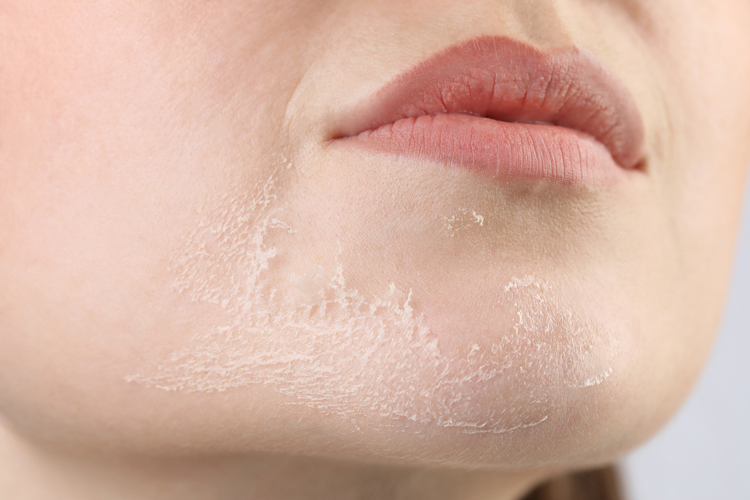
Following your dermatologist’s aftercare instructions is essential. Protecting your skin from sun exposure is particularly important because newly treated skin is more vulnerable to UV damage during healing. Your provider may also recommend specific skincare products to support recovery and maintain results.
The Medical Benefits of Chemical Peels
Many people think of chemical peels as purely cosmetic treatments, but they can also offer important medical benefits.
For patients with chronic sun damage, chemical peels can help remove damaged skin cells and encourage healthier skin regeneration. Some peels may be used as part of a treatment plan for actinic keratoses and other precancerous skin changes under the supervision of a dermatologist. Additionally, chemical peels can help improve acne by reducing clogged pores and promoting more effective skin turnover.
Because K2 Dermatology offers comprehensive dermatology care, patients can receive a thorough evaluation to determine whether a chemical peel is the most appropriate treatment or whether another dermatologic procedure may better address their concerns.
Is a Chemical Peel Right for You?
Chemical peels can benefit a wide variety of patients, but the best candidates are those seeking improvement in skin texture, discoloration, acne, sun damage, or certain signs of aging. The ideal treatment depends on your skin type, medical history, and desired results.
A professional evaluation is the best way to determine whether a chemical peel is appropriate for your needs. Your dermatologist can explain the available options, discuss expected outcomes, and develop a personalized treatment plan designed specifically for your skin.
Reveal Healthier, More Radiant Skin
Chemical peels remain one of the most trusted treatments for skin rejuvenation because they address both cosmetic and medical concerns while promoting healthier skin renewal. From acne and hyperpigmentation to sun damage and fine lines, one of our superficial chemical peels offer a customizable solution for many common skin issues. Working with an experienced dermatology team ensures that your treatment is selected and performed with your unique skin health goals in mind.
Frequently Asked Questions About Chemical Peels
Are chemical peels safe for all skin types?
Many chemical peels can be safely customized for different skin types and concerns. A professional evaluation helps determine which type of peel is most appropriate for your skin.
How long do chemical peel results last?
Results vary depending on the type of peel, your skin condition, and your skincare routine. Many patients maintain their results with proper skincare and periodic treatments as recommended by their dermatologist.
Do chemical peels hurt?
Most patients experience mild stinging, tingling, or burning during treatment. The sensation is typically temporary and manageable.
Can chemical peels help with acne scars?
Yes. Certain chemical peels can improve the appearance of superficial acne scars by smoothing uneven skin texture and encouraging skin renewal.
How many chemical peel treatments will I need?
The number of treatments depends on your skin concerns, the type of peel used, and your desired results. Some patients see noticeable improvement after a single treatment, while others benefit from a series of chemical peels as part of a customized skincare plan.
At K2 Dermatology, we are committed to helping patients achieve healthier skin through comprehensive dermatologic care and personalized treatment plans. Our experienced team offers medical, surgical, and cosmetic dermatology services tailored to each patient’s unique needs. Whether you are seeking treatment for a skin condition or exploring cosmetic options like chemical peels, we are here to help. Contact us today to learn more and schedule a consultation.